TPE vs silicone sex dolls: material comparison
TPE and silicone are the two materials used for realistic sex dolls, and the choice determines price, tactile feel and surface detail. TPE accounts for most orders; silicone is the premium tier.
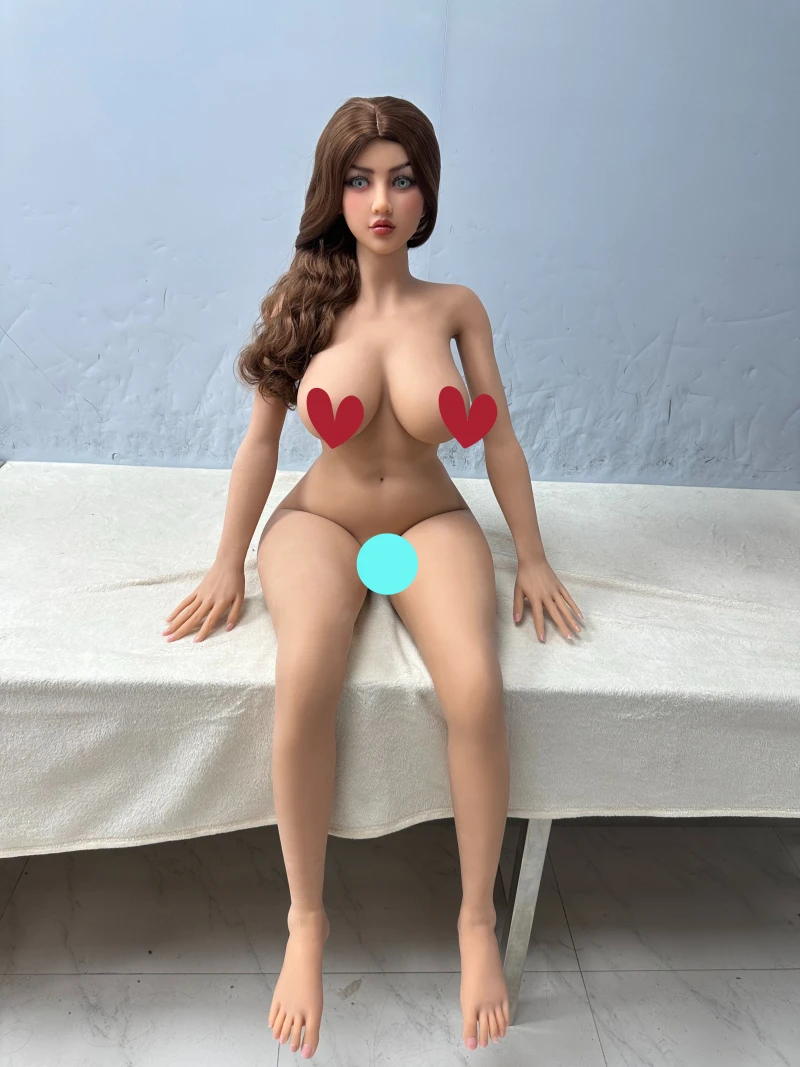
Full material comparison
| Property | TPE | Silicone (platinum-cure) |
|---|---|---|
| Full name | Thermoplastic elastomer | Platinum-cure silicone, Shore A 20-30 |
| Relative price | Lower cost | Higher cost, typically 2-4x TPE |
| Skin feel | Firm, slightly rubbery | Close to human skin |
| Surface detail | Good | Excellent, captures pores and fine lines |
| Detail resolution | Approx. 0.3 mm | Approx. 0.1 mm |
| Odour | Slight, dissipates over 2-4 weeks | None |
| UV yellowing | Moderate, visible in 6-12 months | Excellent, minimal over 5 years |
| Curing time | 4-6 hours | 18-24 hours |
| Tear resistance | Medium | High |
| Heat resistance | Up to 80 C | Up to 150 C |
| Typical shelf life | 2-3 years before yellowing | 5+ years with minimal degradation |
| Market positioning | Entry and mid tier | Premium tier |
| Customer preference | Most purchased | Chosen for realism |
Which material should you choose?
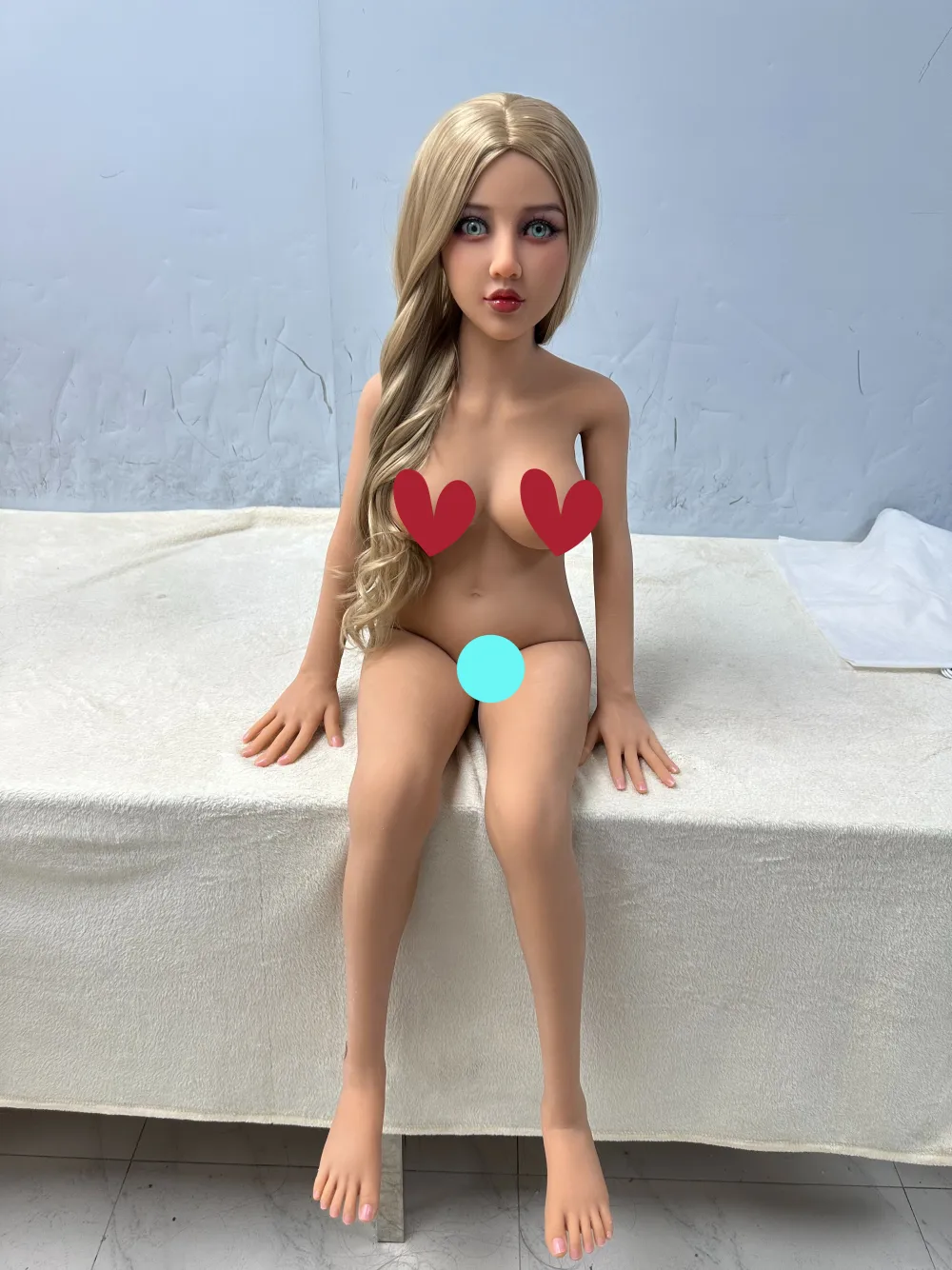
TPE: the material most customers buy
TPE accounts for the majority of orders because it delivers the lowest landed cost at an acceptable tactile quality. It is the volume material across the industry.
Firm to the touch with good surface detail. Yellowing becomes visible within 6 to 12 months, which is acceptable for the entry and mid tier.
- Shore A 30-40 hardness
- 4-6 hour cure cycle
- Lower material cost
- Good detail reproduction
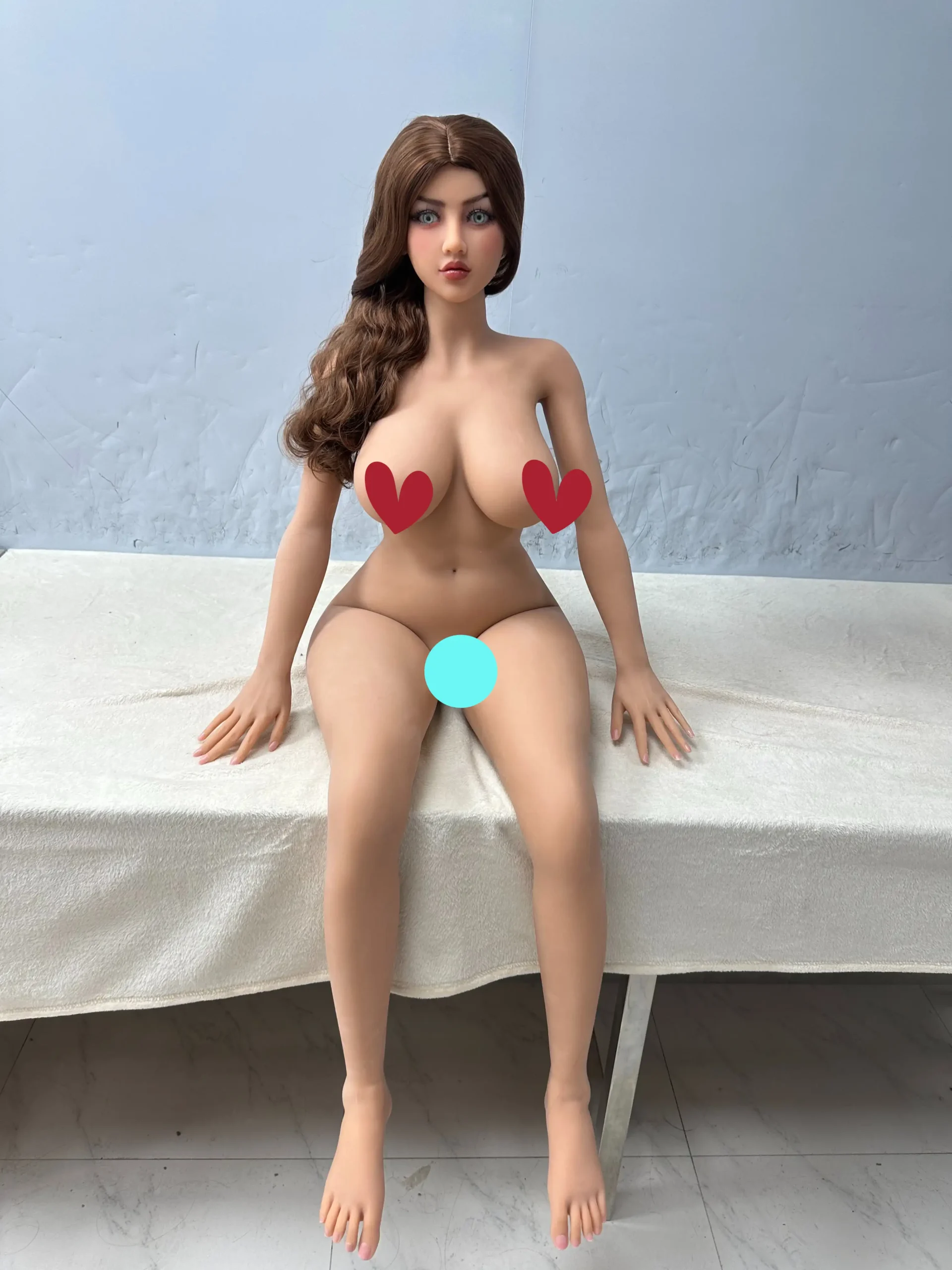
Silicone: when realism decides
Silicone costs more as a raw material and requires an 18 to 24 hour cure, but delivers the tactile response and fine detail that justify that price.
Shore A 20 to 30 closely mimics human skin. Minimal yellowing over five years and no residual odour from delivery.
- Shore A 20-30 hardness
- Detail down to 0.1 mm
- Minimal yellowing over 5 years
- No residual odour
Material and finish samples

Material texture
Close-up of the silicone surface finish.

Skin detail
Hand-applied skin detail at macro level.

Detail close-up
Fine detail reproduction at 0.1 mm.

Colour matched
Skin tone matched to a physical reference.
Why platinum-cure matters
Tin-cure material can pass a visual inspection and only fail later at the odour and ageing stage. This is why incoming inspection verifies platinum-cure grade rather than relying on appearance.

Platinum-cure
Uses a platinum catalyst that leaves no by-products. No odour out of delivery and stable long-term. Suitable for premium positioning.
Tin-cure
Leaves a silicone oil residue that produces odour and degrades over time. Not suitable for premium positioning.
| Attribute | Platinum-cure | Tin-cure |
|---|---|---|
| Catalyst | Platinum | Tin |
| Residual by-products | None | Silicone oil residue |
| Odour out of delivery | None | Noticeable initially |
| Long-term degradation | Stable | Degrades as oil leaches |
| Suitable for premium positioning | Yes | No |
Standards referenced
Relevant test methods are listed for technical reference. Confirm applicable testing, laboratory reports and certification scope for each material grade.
ISO 7619-1
Determination of hardness, Shore A.
ISO 48-4
Determination of indentation hardness by the durometer method; not a colour or gloss test.
ASTM D412
Tensile properties of vulcanized rubber.
ISO 10993-1
Biological evaluation within a risk-management process for medical devices; applicability must be established for the actual product.